


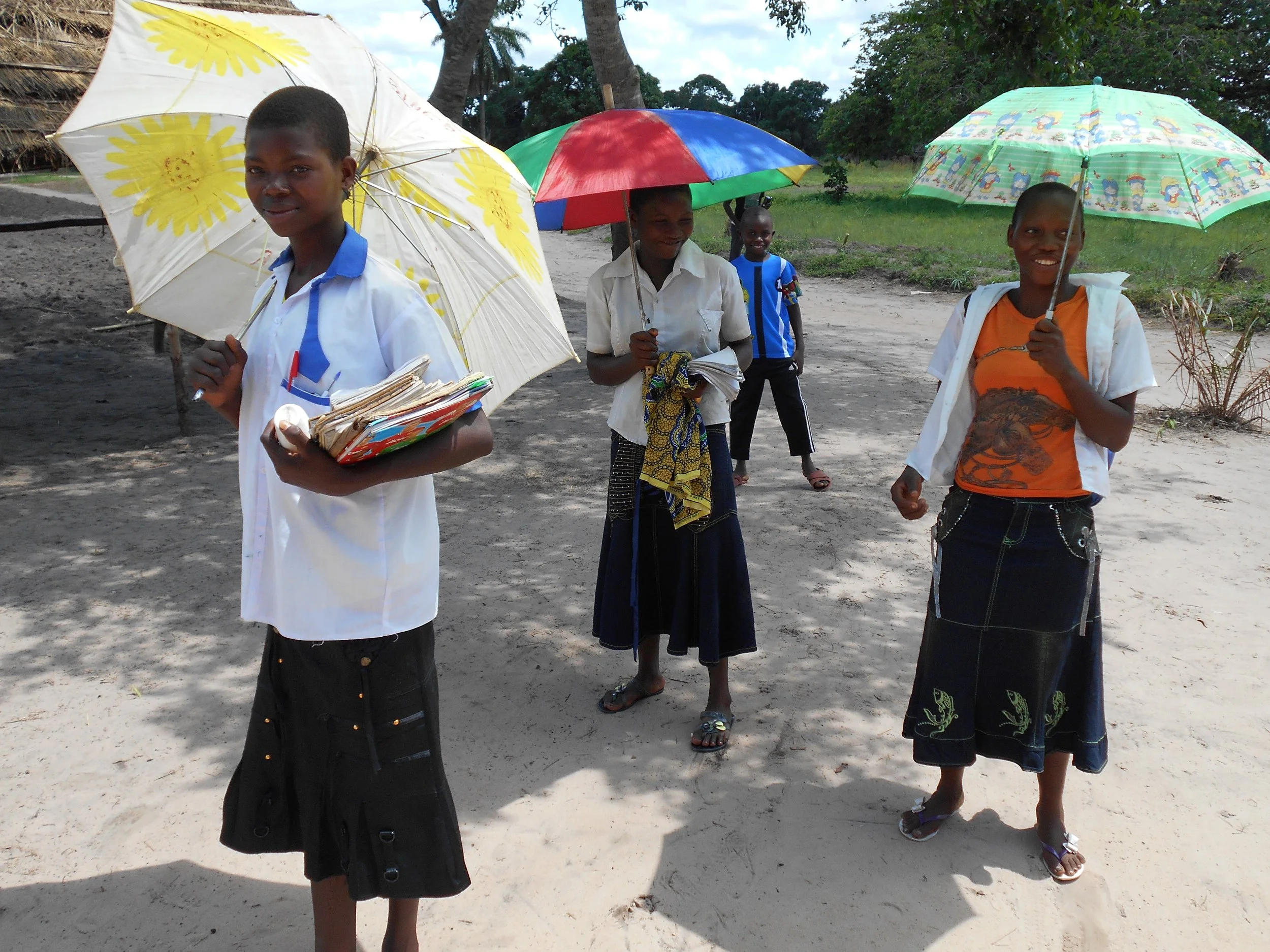
KANDALE, DR CONGO
Nearest cities: Gungu (30 miles), Kikwit (150 miles). Kinshasa, the capital (500 miles).
Kandale: Community Profile
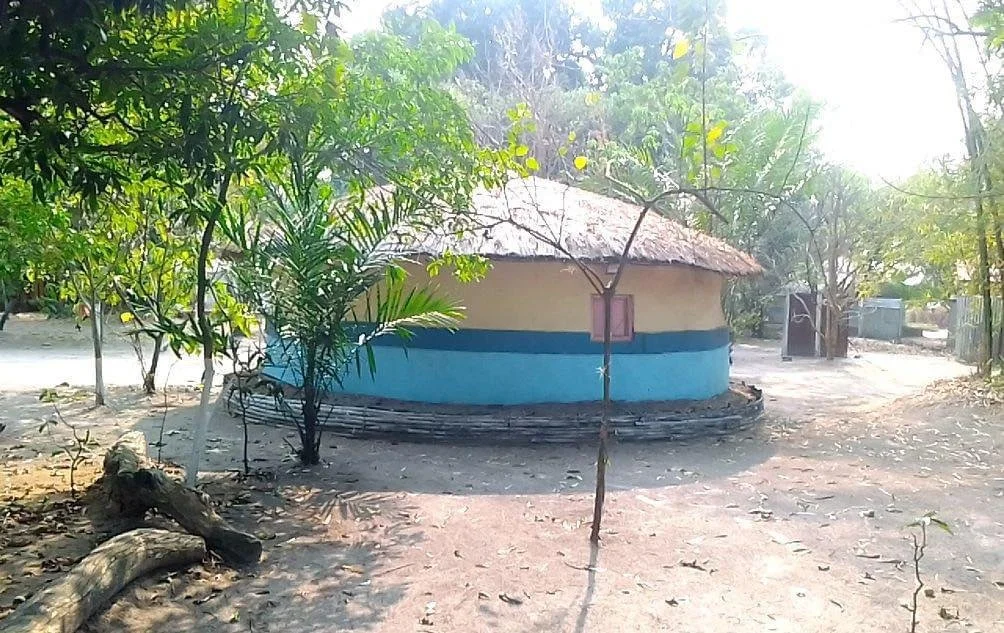
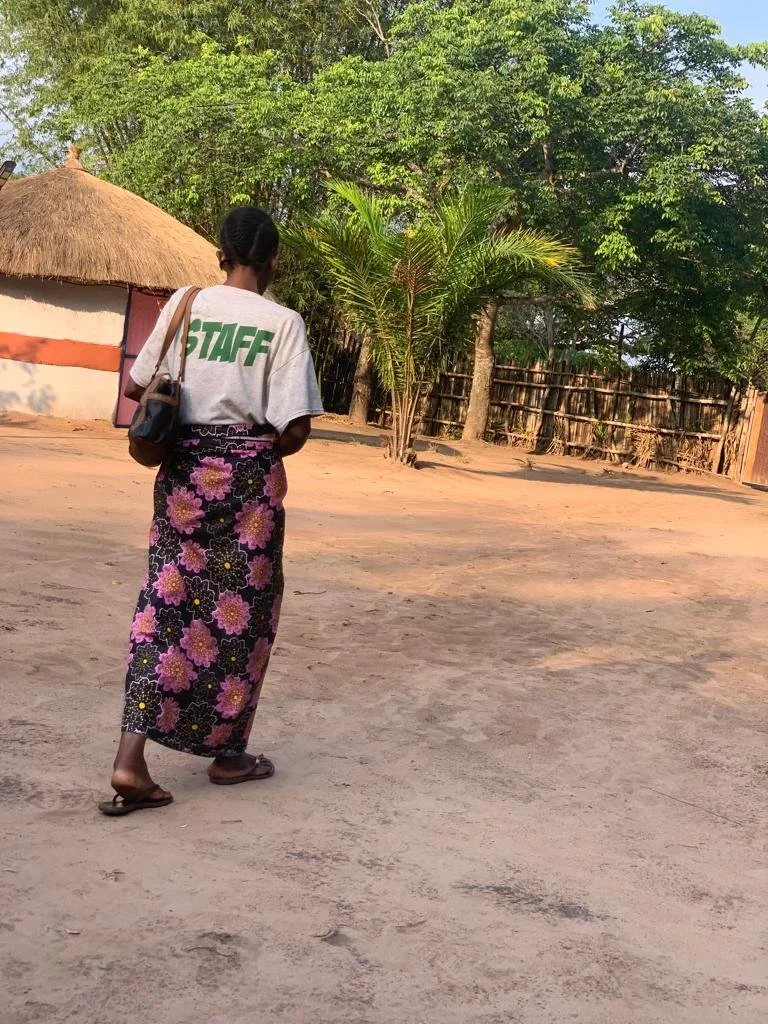
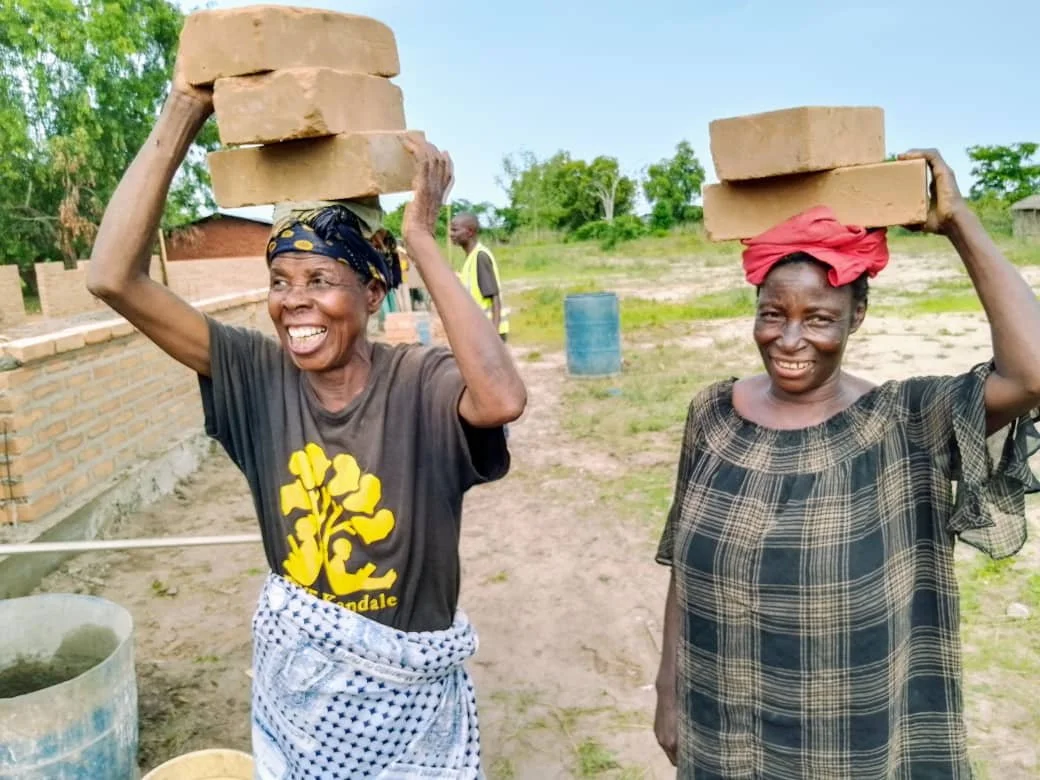
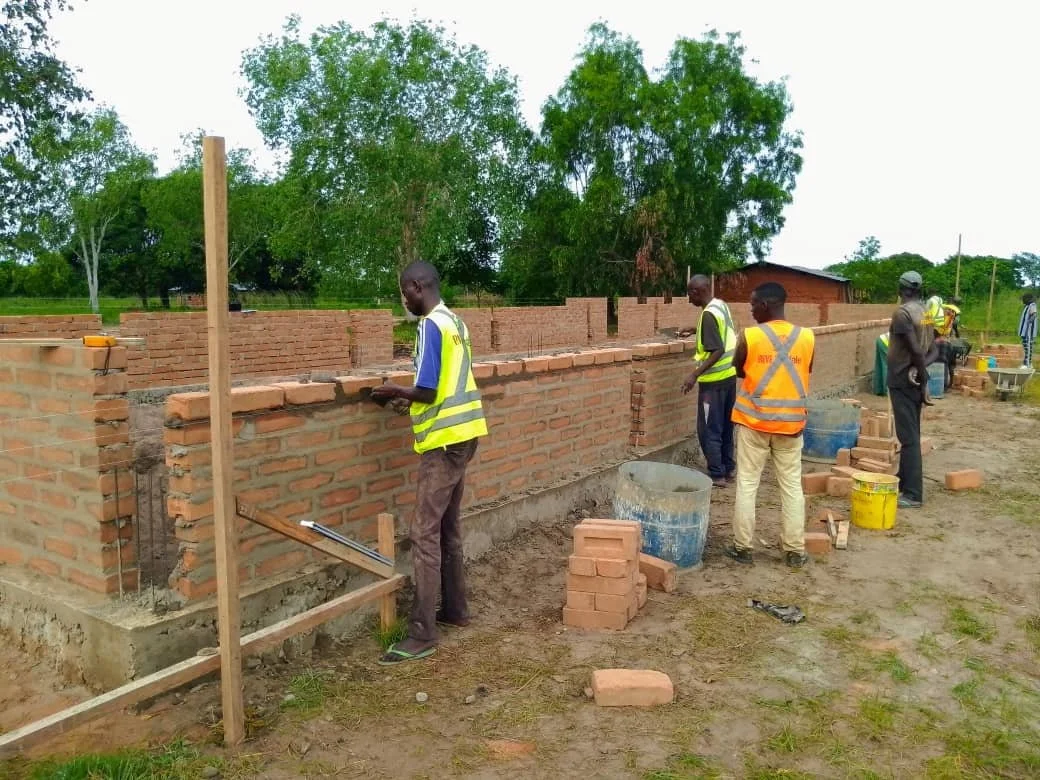
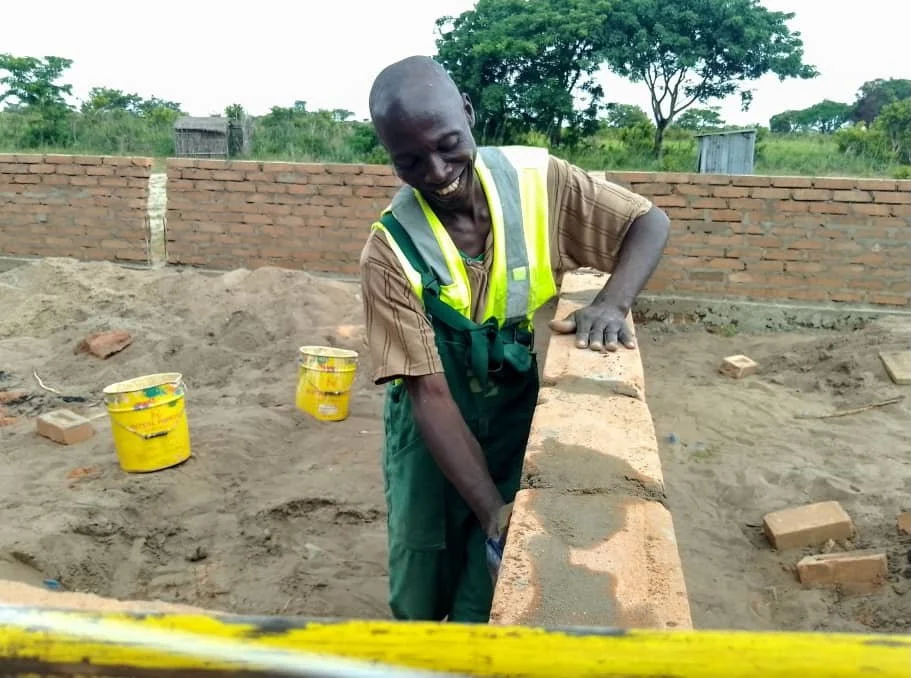
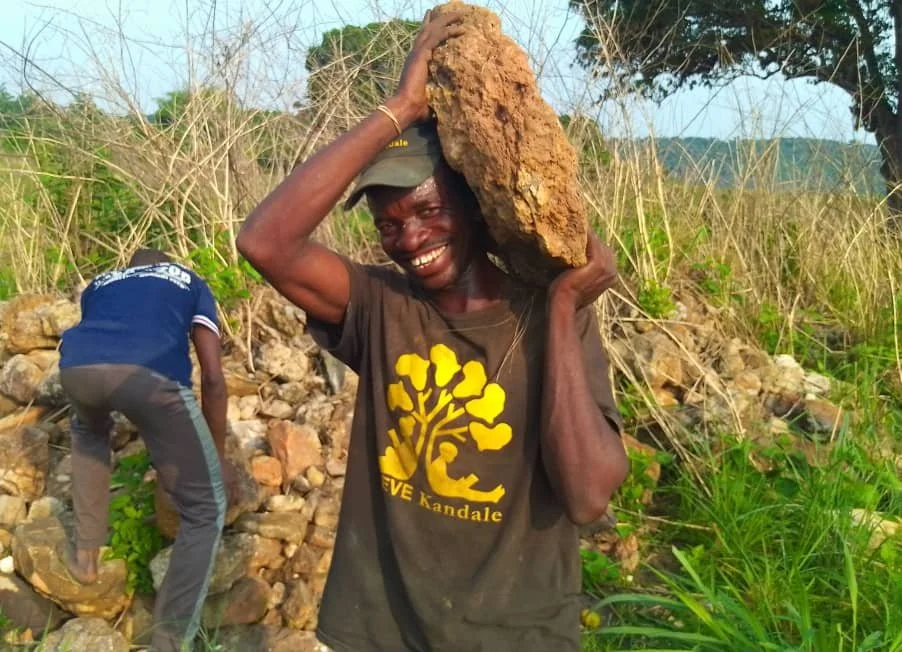
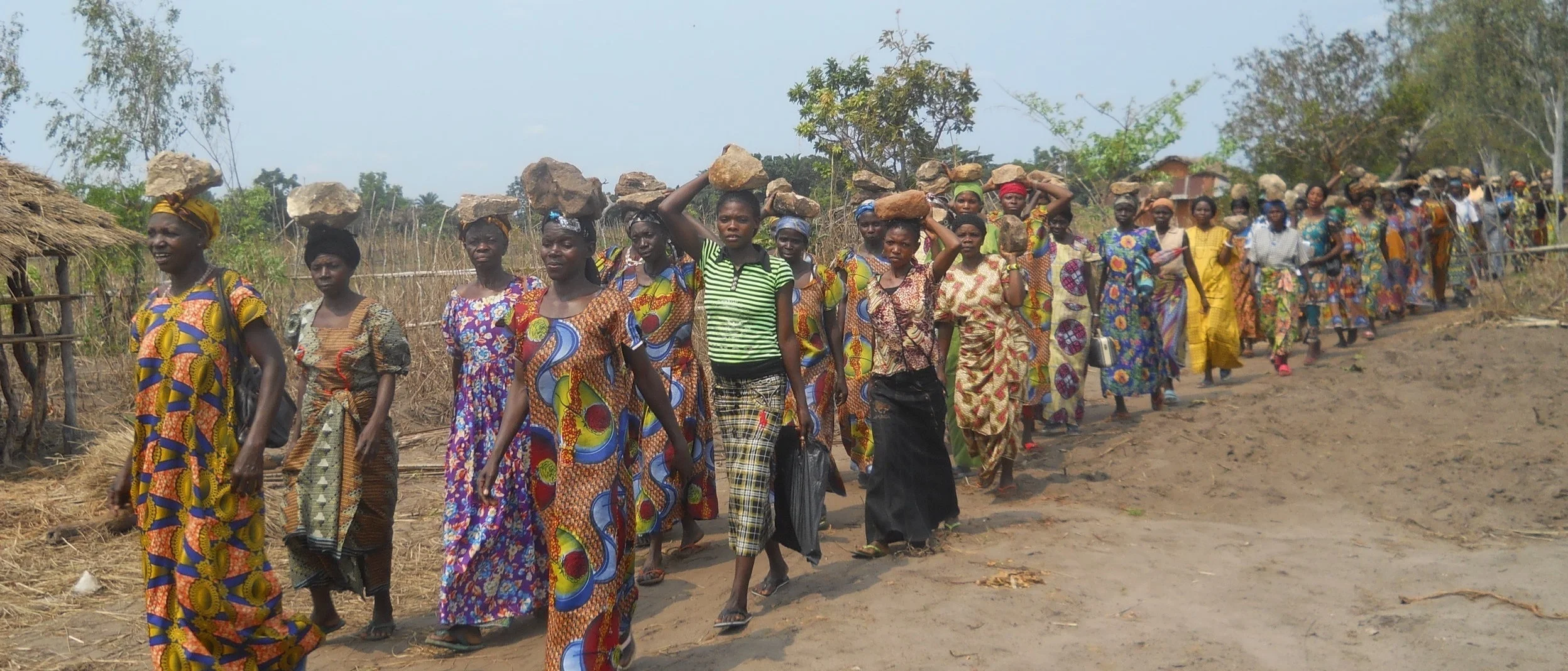
Kandale is a network of roughly 100 villages located about 500 miles southeast of Kinshasa, near the border with Angola. With an estimated population of 70,000, the community is predominantly young, and unemployment is widespread. Even those with salaried positions—such as teachers—depend on subsistence farming to support their families.
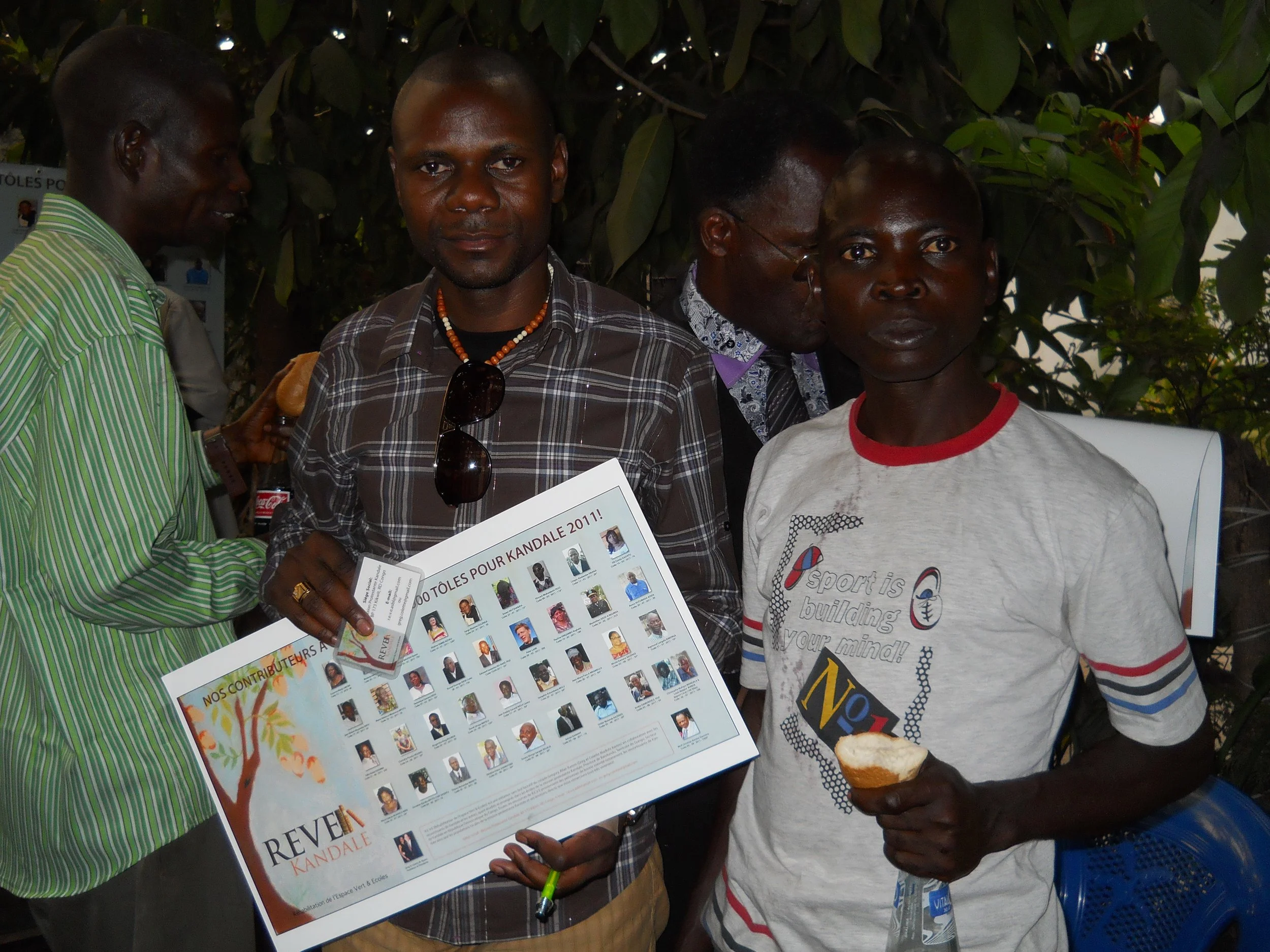
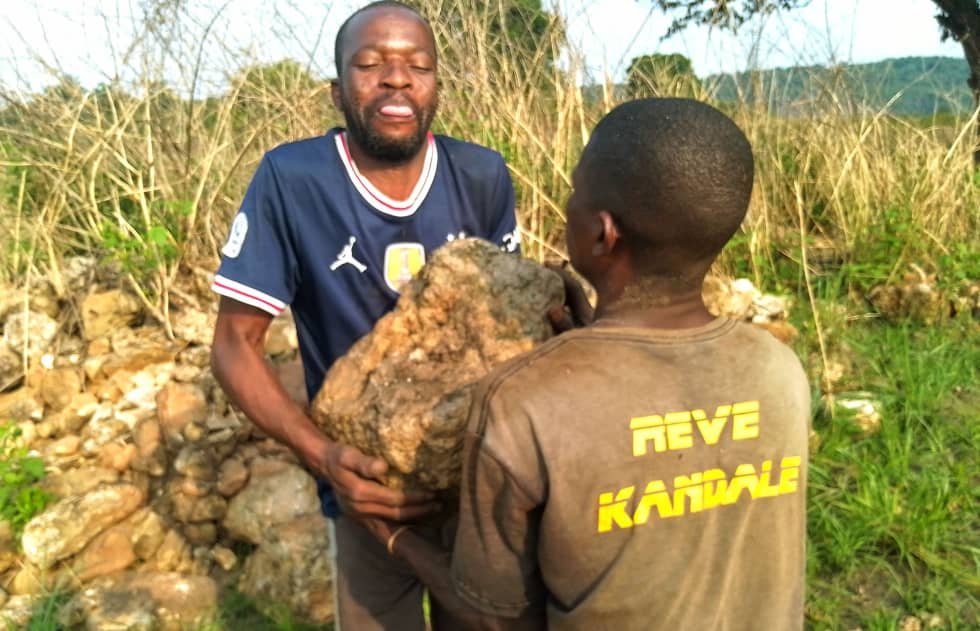
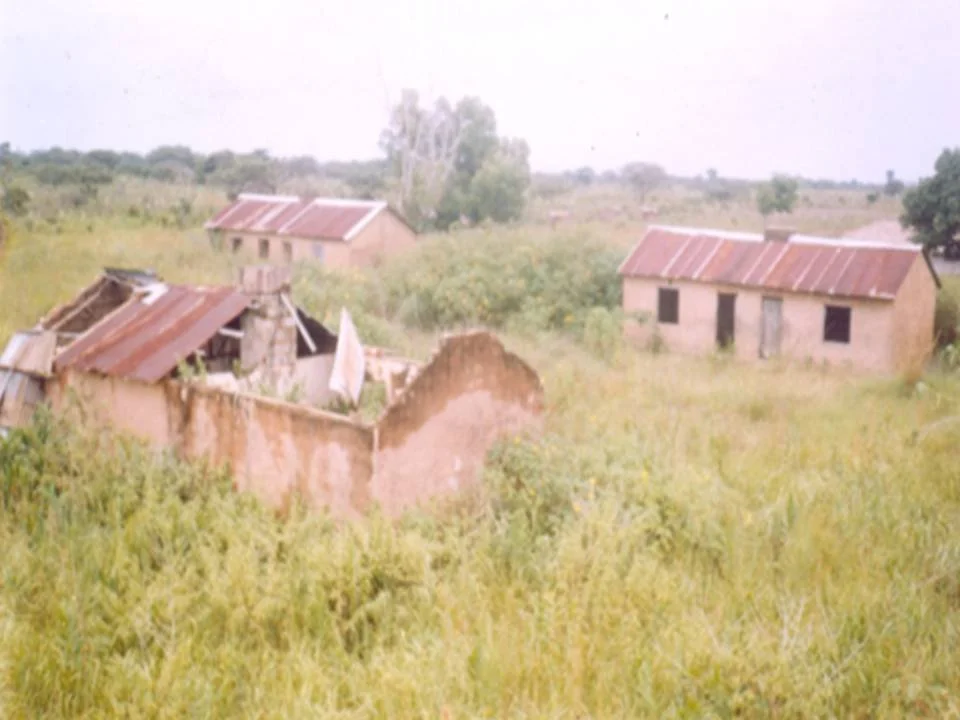
At the heart of community life is a historic Mennonite mission station, originally founded in 1926 by an independent Canadian Baptist missionary. In 1954, the mission was transferred to the Communauté Mennonite au Congo (CMCo), which continues to serve as Kandale’s social and spiritual center. CMCo-Kandale mission is also the official home of REVE Kandale, supported by more than 100 dues‑paying community members. Kandale lies approximately 30 miles from Gungu in Kwilu Province.
Geography and Climate
Kandale’s climate is tropical, defined by two main seasons:
Rainy season: mid‑August to mid‑May (9 months)
Dry season: mid‑May to mid‑August (3 months)
These long seasonal cycles shape agricultural production, food security, and daily life across the region.
Culture: The Pende People
The largest cultural group in Kandale is the Bapende (Pende). They speak Kipende, a Central Bantu language, and are widely known for their traditional dances and artistic traditions, including the celebrated Mingaji masks accompanied by full raffia body suits. These performances are central to initiation rituals and community identity.
More than 250,000 people identify as Pende. Their culture has endured through centuries of upheaval—tribal conflict, the slave trade, Belgian colonization (1887–1960), war, hunger, and disease. Despite these challenges, their traditions remain strong and deeply rooted in daily life.
Land
Land, Agriculture, and Environmental Challenges
Kandale’s people have a long and intimate relationship with their land. The region is considered one of the breadbaskets of Gungu District, producing:
Cassava
Millet
Maize
Rice
Beans
Palm oil
Peanuts
Bananas
Pineapples
Mangoes
Wild berries
However, environmental degradation threatens long‑term food security. Poor farming and hunting practices—especially the burning of savannah land—have damaged ecosystems and reduced wildlife populations that once supplemented local diets.
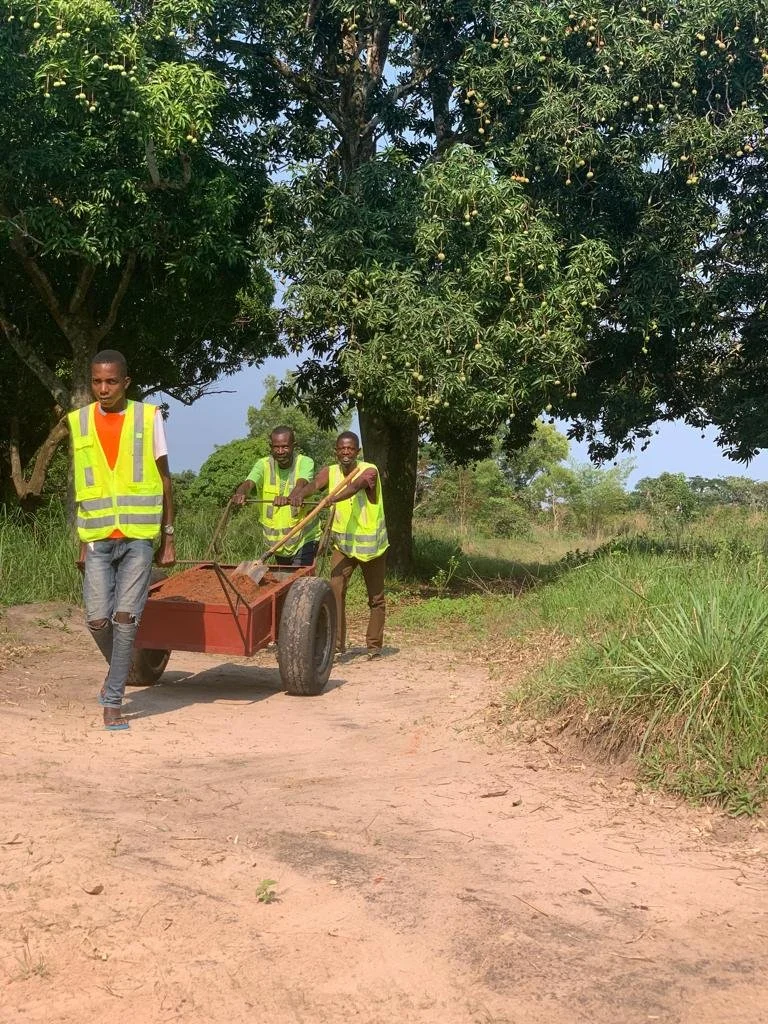
To address these challenges, REVE Kandale launched an ambitious tree‑planting and environmental education initiative. By the early 2020s, caterpillars—an important source of dietary protein—returned to the newly reforested areas for the first time in decades, signaling early ecological recovery.
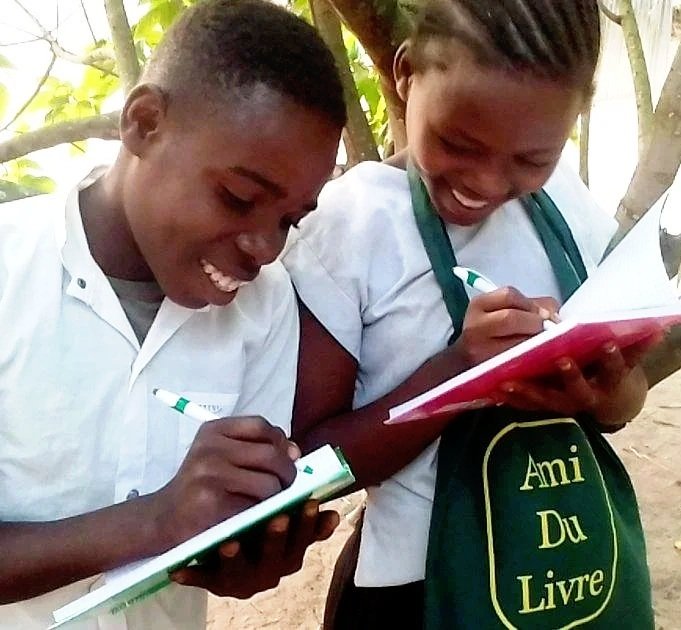
Education in Kandale
Since the 1920s, Kandale has served as a regional center of education, beginning with the early Baptist mission schools. Today, the community hosts:
Several primary schools
A high school (Institut Gufwa‑Gubila)
A secondary‑level vocational school (Lycée Gina Gisanga) offering sewing and business programs
Despite this infrastructure, severe national economic challenges mean that only 40–50% of children in the surrounding area attend school.
Center of Education
REVE Kandale’s Vision for the Future
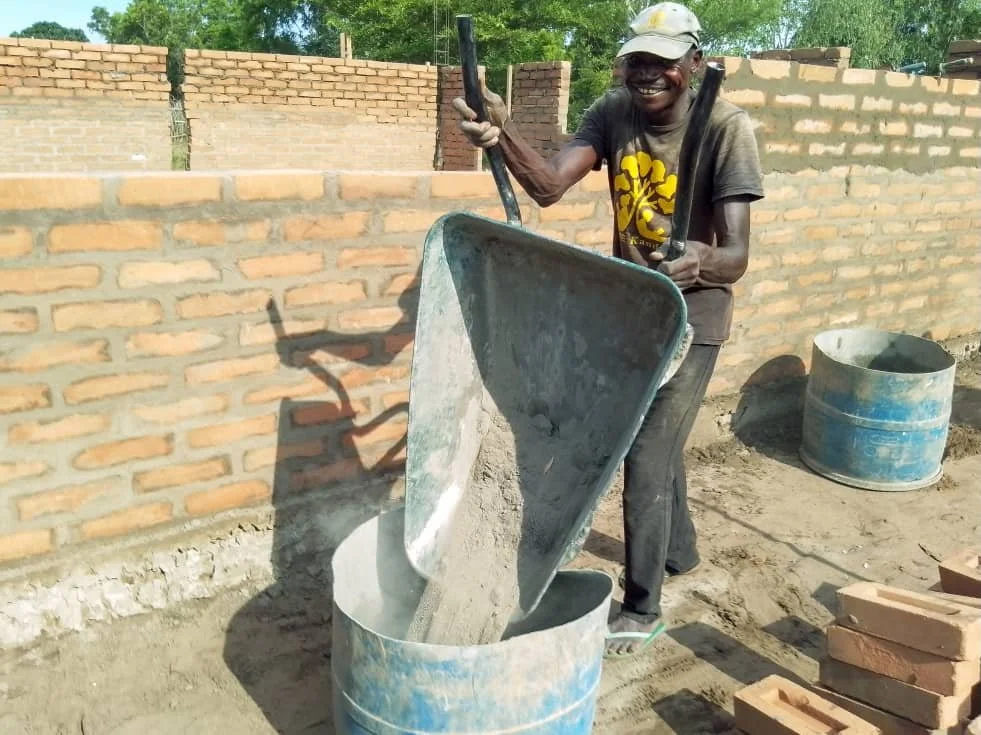
REVE Kandale is committed to improving the quality of life for children and families in Kandale. Our goal is to make Kandale a model community—a place where education, environmental protection, and economic opportunity work together to create lasting change.
By strengthening schools, restoring the environment, and supporting local livelihoods, REVE Kandale aims to spread a message of hope, resilience, and sustainable development throughout the region.
TRAVEL AND ATTRACTIONS

USA-Kinshasa - 18-hour Flight

Kinshasa-Kandale-13 hrs (4x4 Vehicle

Lukuila canyons (10 miles)

Kakobola Waterfalls (30 miles)