HISTORY
REVE KANDALE
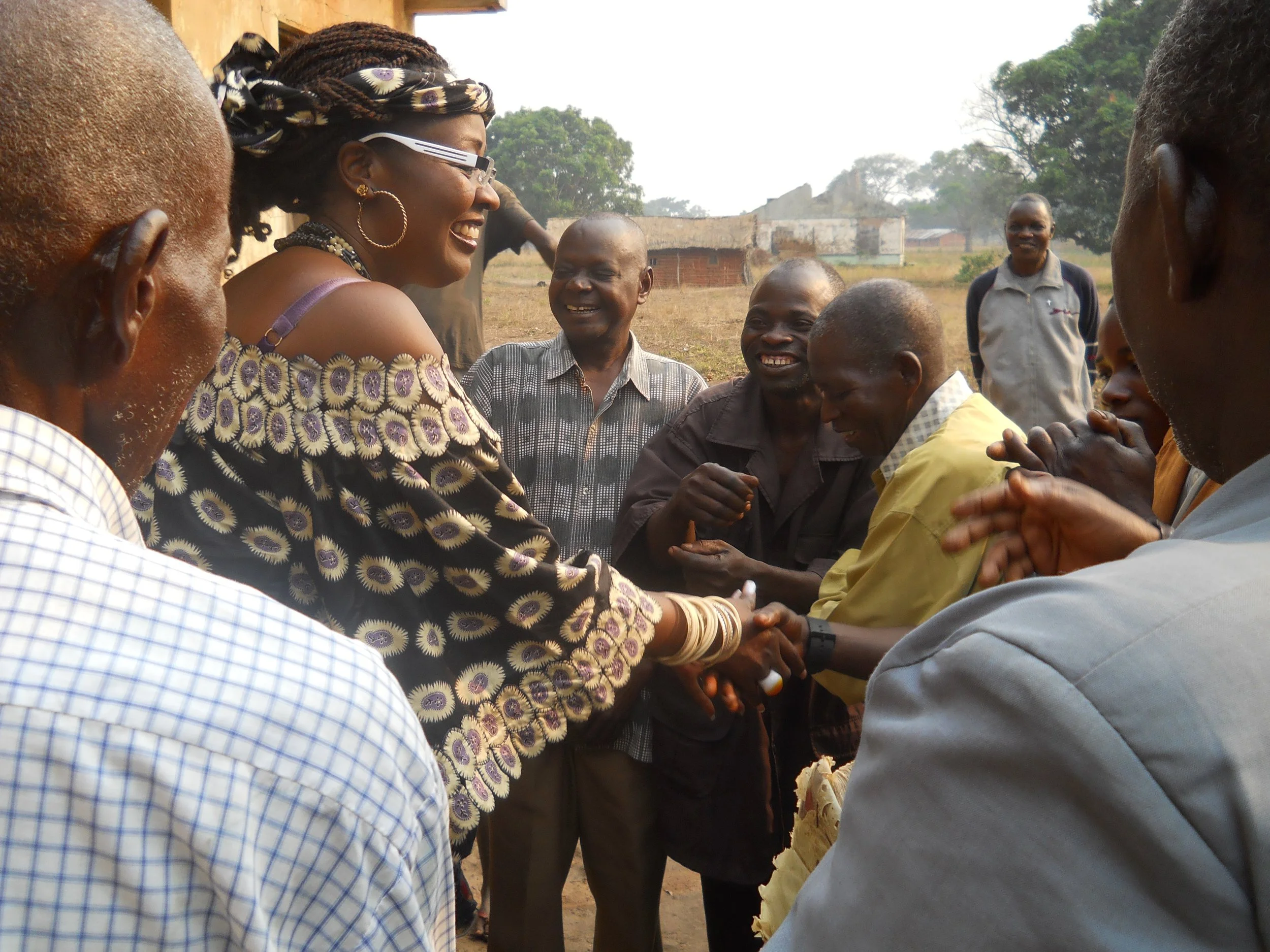
Founder Colette Ramm during her 2013 visit to Kandale.
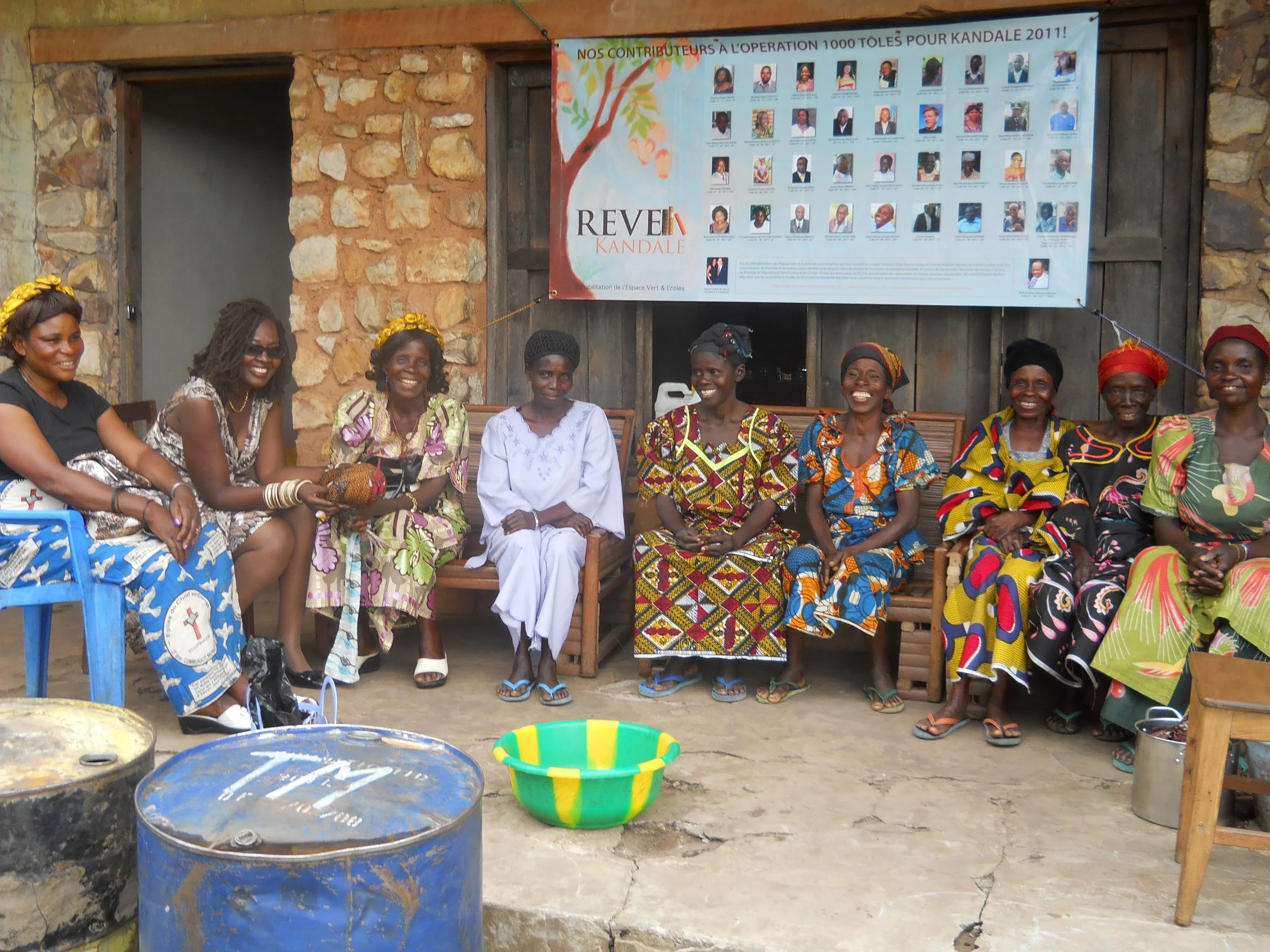
REVE Kandale was founded on a simple but powerful belief: that lasting change in rural communities begins with education, environmental stewardship, and locally driven leadership. More than a decade ago, Colette Madishi Ramm envisioned a future in which her home village of Kandale, in the Democratic Republic of the Congo, could break cycles of poverty through strengthened schools, protected natural resources, and opportunities created close to home. That vision took root in 2011, when REVE Kandale was formally registered as a Congolese non‑profit organization dedicated to expanding educational access and improving life outcomes for children in Kandale.
As the organization grew, so did the need for broader partnerships and sustainable support. In 2016, Colette and her husband, Greg Ramm, established the REVE Kandale Foundation, a U.S.‑based 501(c)(3) created to mobilize resources, cultivate international collaboration, and reinforce the impact of REVE Kandale’s community‑based programs. Together, the two organizations form a unified, cross‑continental partnership committed to education, environmental protection, and community empowerment.
Today, REVE Kandale and the REVE Kandale Foundation work hand‑in‑hand to advance Colette’s original dream: ensuring that every child in Kandale has the opportunity to learn, thrive, and contribute to a healthier, more resilient future for their community.
MEANING AND EVOLUTION OF REVE KANDALE
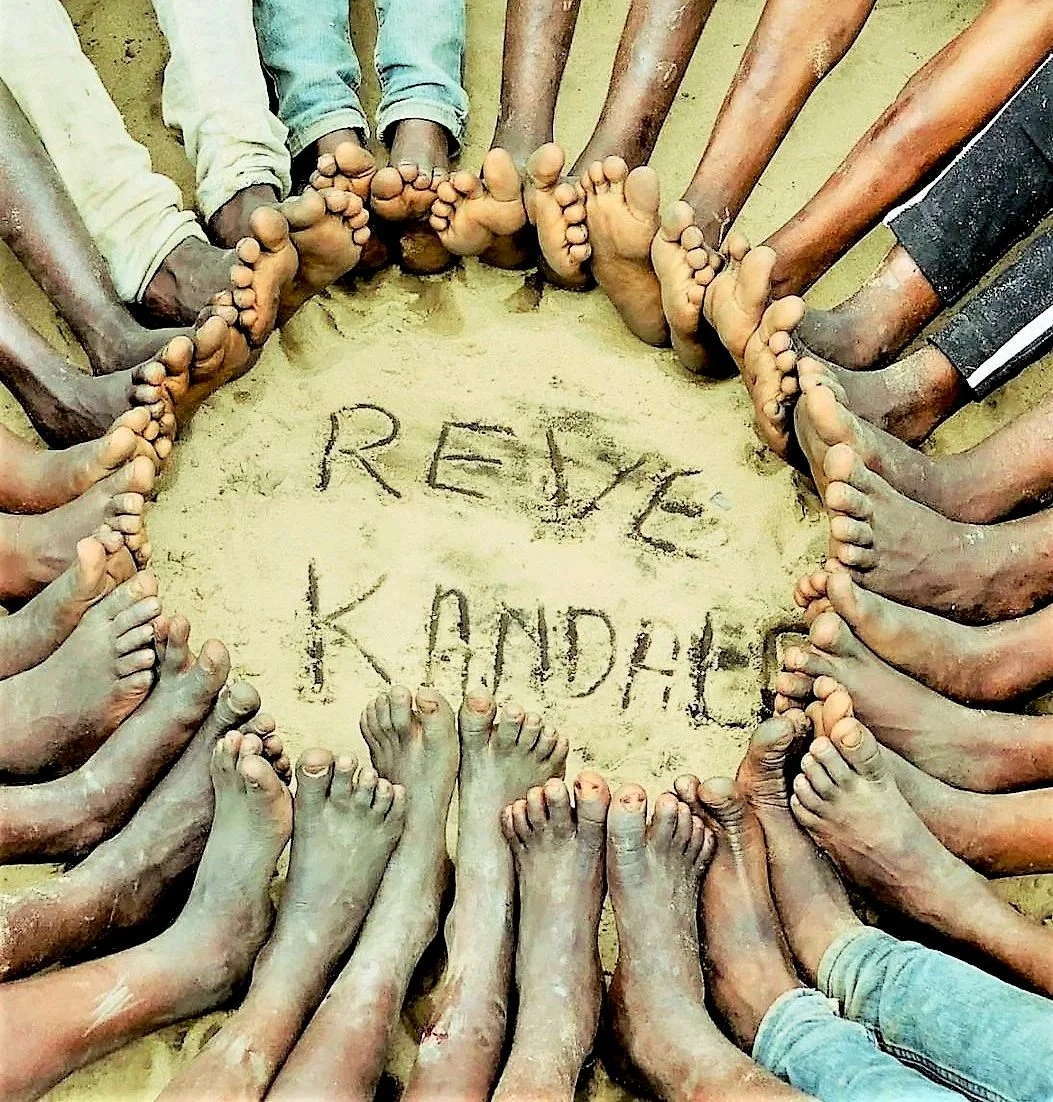
REVE Kandale was founded on a powerful idea: that lasting change in rural communities begins with education, environmental protection, and the belief that every child deserves the chance to thrive. The name REVE is no accident. In French, rêve means “dream,” and it also stands for “Réhabilitation des Espaces Verts et des Écoles” — the Rehabilitation of Green Spaces and Schools. This dual meaning reflects both the vision and the mission of the organization: a dream for Kandale’s future, and a practical commitment to rebuilding the spaces where children learn and grow.
Colette Madishi Ramm’s dream for Kandale is rooted in her own story. The daughter of two teachers, she grew up understanding the transformative power of education. She became one of the first women from the Kandale area to earn a university degree in Congo, and later earned a master’s degree in Community Development from New Hampshire College in the United States. Although her career took her around the world, Colette never left Congo behind. Her life’s work has been shaped by a determination to give back to her community and to expand opportunities for the next generation.
In 2011, Colette took the first step toward realizing her dream by establishing REVE Kandale as a Congolese non‑profit organization dedicated to improving educational access and strengthening community resilience in Kandale. As the organization grew, it became clear that sustainable progress required broader partnerships and international support. In 2016, Colette and her husband, Greg Ramm, founded the REVE Kandale Foundation, a U.S.-based 501(c)(3) organization created to mobilize resources, expand collaboration, and amplify the impact of REVE Kandale’s work. Together, the two organizations form a unified partnership committed to education, environmental stewardship, and community empowerment.
Over time, REVE Kandale’s work has revealed an essential truth: children learn best when the conditions around them support their well‑being. Education is the foundation, but it cannot stand alone. Clean water keeps children healthy enough to attend school. Income‑generating programs help families put food on the table. Solar lighting allows students to study after sunset. Environmental protection ensures that the land remains productive for future generations. These interconnected needs have shaped REVE Kandale’s holistic approach — one that recognizes that learning, health, environment, and economic stability must advance together.
Today, REVE Kandale and the REVE Kandale Foundation work hand‑in‑hand to build a stronger, more resilient Kandale. Their programs are designed not only to improve education, but also to address the broader conditions that shape children’s lives. This grant proposal seeks to deepen that impact by investing in the systems that support learning: clean water, sustainable livelihoods, renewable energy, and protected natural environments.
Colette’s dream continues to guide this work — a dream of a Kandale where children learn in safe, vibrant schools; where families have the resources they need to thrive; and where the environment is protected for generations to come. REVE Kandale stands for that dream, and with the support of partners and donors, it is becoming a reality.
LOGO
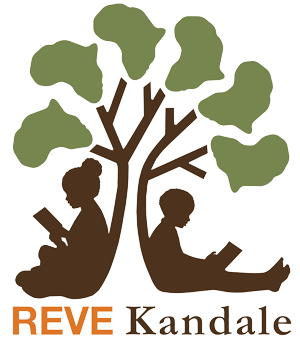
The REVE Kandale Foundation (RKF) carries a mission rooted in both purpose and identity. In 2018, the Rev. Vicki Fogel Mykles redesigned the REVE Kandale logo to reflect the organization’s mission statement: Promoting equal access to education for all boys and girls through the creation of a safe and protective environment. The new tagline — “Every Child. Every Dream.” — captures the heart of REVE Kandale’s work: ensuring that every child in the Democratic Republic of the Congo has the opportunity to learn, grow, and imagine a future filled with possibility.

The logo itself is a visual narrative of this mission. Two children sit beneath a tree, reading — learning, imagining, and dreaming. Reading opens doors, and every new idea invites a child to dream just a little bigger. The girl is intentionally the larger of the two figures, perhaps even an adolescent. This design choice reflects a critical truth in Congo: girls often face cultural barriers that prevent them from completing their education. By placing her at the center, the logo affirms REVE Kandale’s commitment to ensuring that girls not only attend school, but thrive there.
The tree is a powerful symbol woven throughout the organization’s work. Trees represent growth — intellectual, physical, and communal. They offer shade, safety, and a place for reflection, conversation, and rest. In Kandale, children often gather under trees to study, talk, and dream. In the logo, the children are integrated into the trunk, symbolizing the way learning is rooted in the environment that surrounds them. As children grow in knowledge and stature, the tree stands as a backbone for their development.
This symbolism is not abstract. REVE Kandale is actively planting new trees in Kandale and surrounding villages through a reforestation program designed to heal the landscape, restore soil health, and provide sustainable food sources. Trees — like people — have roots that run deep. The children of Kandale are rooted in their community, but their future extends far beyond the boundaries of a single village or nation. They are children of the world, growing up at a moment in history when their voices, skills, and dreams will shape global conversations. Their contributions will be interpreted through their uniquely African experiences, heritage, and aspirations.
The canopy of the tree in the logo forms the shape of the African continent, a reminder of the children’s identity, culture, and future role on the global stage. Their land — their home — floats above them as a symbol of pride, belonging, and possibility.
Ultimately, a logo must clearly communicate the goals of an organization. The RKF logo does this while also inviting deeper reflection. It tells a story of education, protection, growth, and hope. It calls viewers to consider not only what REVE Kandale stands for, but what the future holds for the children of Kandale.
What do we see for the children of Kandale?
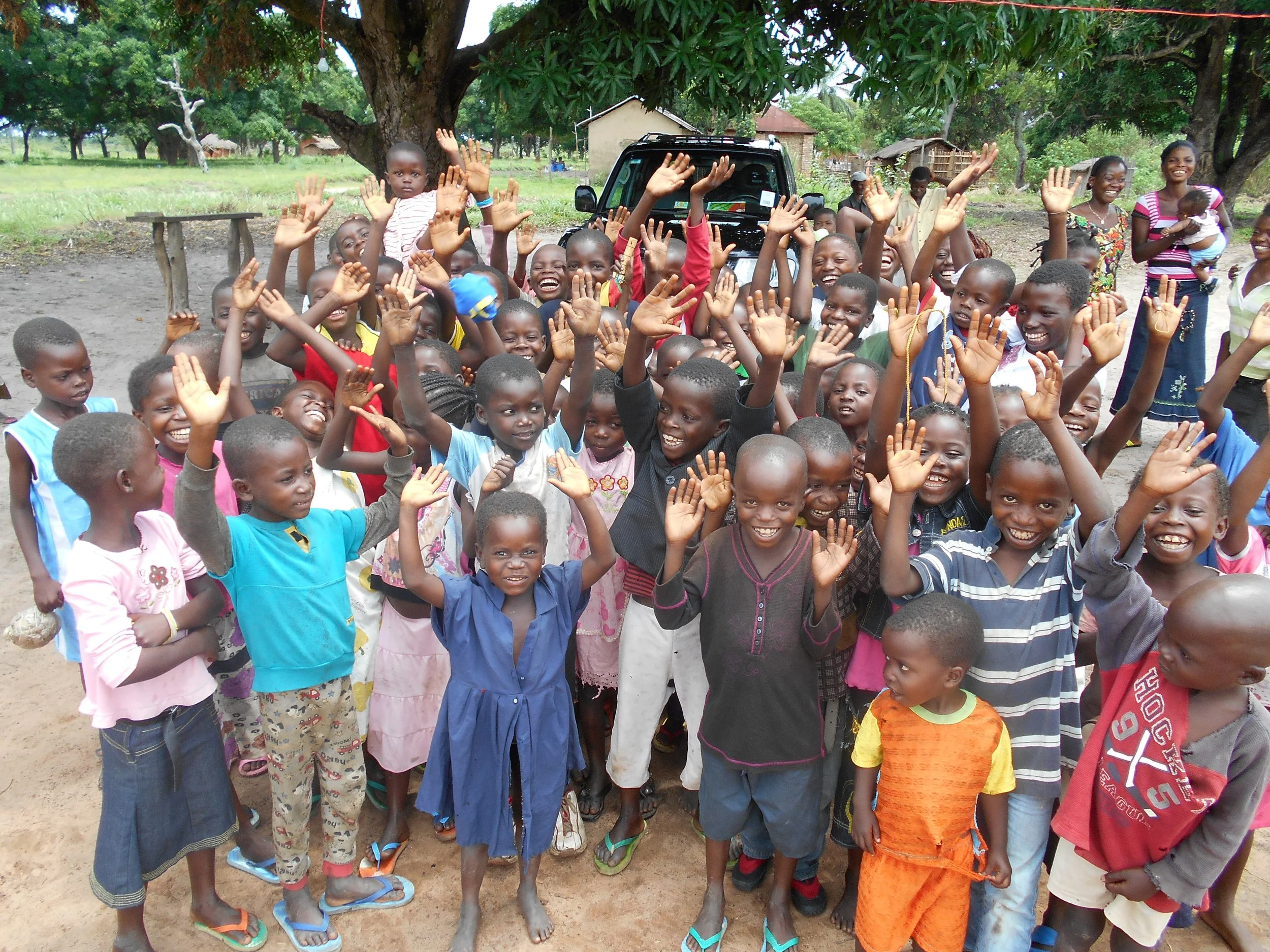
We see children who are learning in safe, vibrant spaces.
We see girls who are empowered to complete their education.
We see families strengthened by clean water, sustainable livelihoods, and renewable energy.
We see communities healing their land through reforestation.
We see young people whose dreams — nurtured under the shade of a symbolic tree — will one day shape their village, their country, and the world.